Planning a Kenya safari from the Philippines can feel exciting and uncertain at the same time. You may worry about language, costs, flights, visas, and which park deserves your days. This Kenya safari guide for Cebuano speakers answers those questions in plain language. It explains what you can realistically arrange in Cebuano, Tagalog, or English. It also connects those choices to real destinations such as the Masai Mara, Naboisho, Mara North, Amboseli, Samburu, and Tsavo.
What Should a Kenya Safari Guide for Cebuano Speakers Cover?
A Kenya safari guide for Cebuano speakers should cover communication options and how to book a guide. It should also cover top parks, seasons, costs, entry requirements, flights, health steps, and a practical itinerary. It should also be honest about what can be arranged in Cebuano, Tagalog, or English, so no traveler is surprised after paying.
Start with communication, because it shapes every other decision. Once you know how you will talk with your guide, park rules, and lodge staff, the rest of the planning becomes easier. The sections below follow that order.
Can Cebuano Speakers Enjoy a Kenya Safari Without Fluent English?
Yes. Cebuano speakers can enjoy a Kenya safari without fluent English if the operator confirms communication arrangements before payment. English and Swahili are the main safari languages. Cebuano-speaking guides are uncommon. Practical alternatives include a Filipino- or Tagalog-speaking guide, a professional interpreter, translation apps, and written briefing notes for safety and logistics.
If your English is limited, make a simple language plan. Ask for a pre-arrival document with your daily schedule, pickup times, and emergency numbers translated into Cebuano or Tagalog. Keep that paper with you during the safari. Even a short list of phrases can reduce stress and help you follow instructions around wildlife.
How Do You Find a Cebuano-Speaking or Filipino-Speaking Safari Guide?
Request a Cebuano-speaking guide at the first inquiry. Ask the operator to confirm fluency, guide certification, availability, price, and a backup plan in writing. Cebuano coverage is likely limited. A Tagalog-speaking guide or interpreter paired with an experienced English-speaking driver-guide may be more realistic, especially during July to October.
Do not wait until arrival. Include the request in your first email or message. If the operator cannot offer Cebuano or Tagalog, ask for an interpreter for the first day. Also ask for an English-speaking driver-guide who is patient with simple phrases. Book early if your travel dates fall in the high season, because language-specific guides are in demand. For a related planning angle, see our Kenya safari guide for Turkish speakers.
Which Kenya Safari Destinations and Wildlife Are Best for First-Time Visitors?
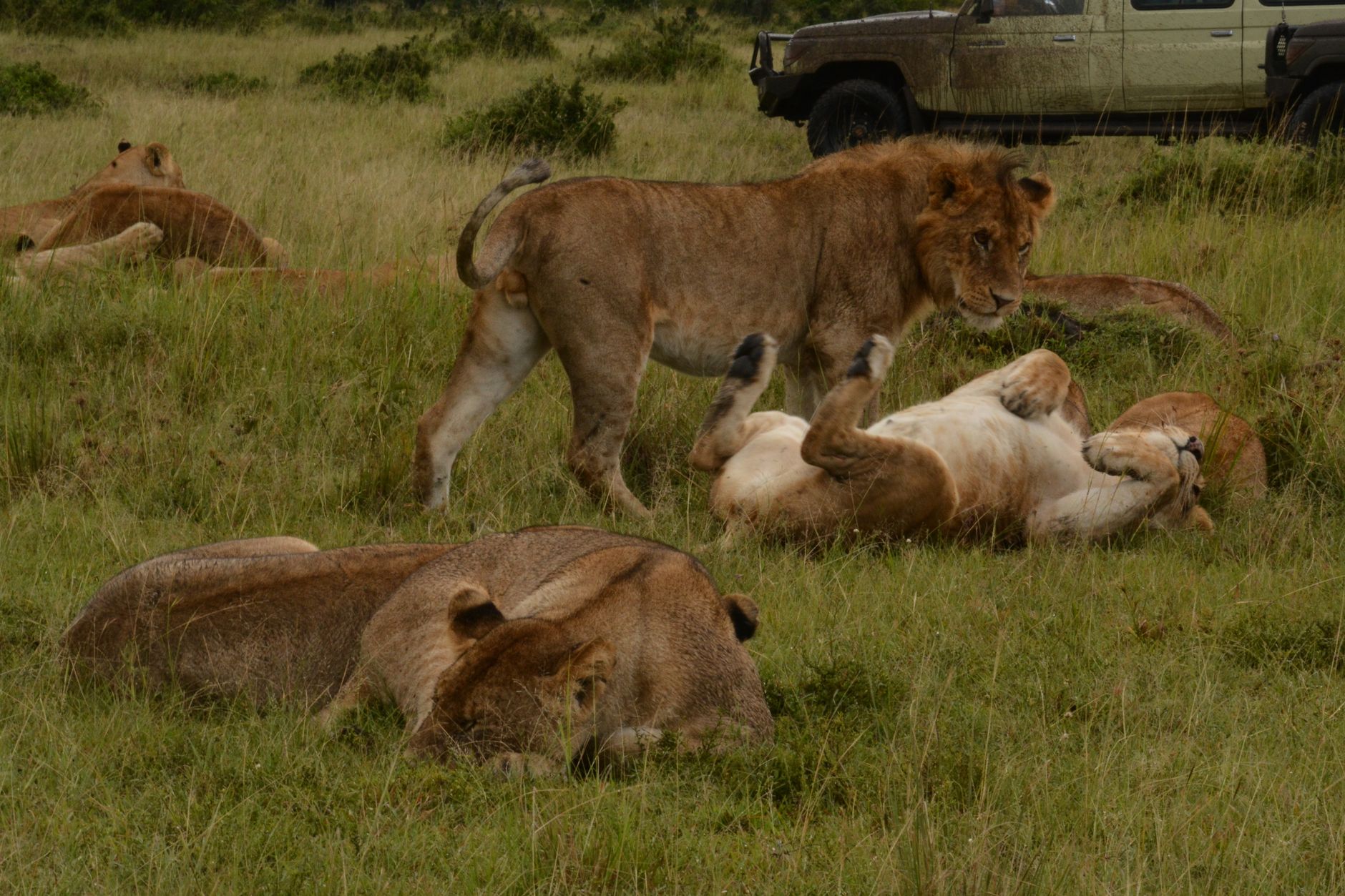
The Masai Mara is the strongest first-safari choice for big cats, abundant plains wildlife, and seasonal wildebeest action. Add Amboseli for large elephant herds and Kilimanjaro views. Choose Tsavo for red-earth landscapes and a less concentrated safari feel. Conservancies such as Naboisho and Mara North offer quieter drives and stricter vehicle management.
The Masai Mara gives you the classic big-cat experience, but it is not the only option. Amboseli gives you elephants with Kilimanjaro in the background. Tsavo has a raw, less crowded feel. Samburu, in the north, hosts species you will not see in the Mara, including Grevy’s zebra and the reticulated giraffe. If you want the full detail on camps and wildlife, our Masai Mara safari guide is a helpful companion. Conservancies such as Naboisho and Mara North limit how many vehicles can gather at one sighting. This often means a calmer experience and direct benefits for local communities. Plan game drives for early morning and late afternoon, when predators are most active. In Amboseli, elephant herds often gather near swamps and water sources, especially in the dry season.
When Is the Best Time for a Kenya Safari?
Choose July to October for dry conditions and the best chance of seeing wildebeest movement in the Masai Mara, especially around river crossings. Expect higher prices and more vehicles during these months. January and February offer clear weather, strong general game viewing, and better value. November and December bring greener landscapes. April and May are wetter and quieter.
Peak season runs from late June through October, but the exact timing of wildebeest river crossings varies every year. If your main goal is big cats and calm weather without the crowds, consider January or February. For greener landscapes and lower rates, November and December work well, though some roads can be muddy. The dry season also concentrates animals around water, which makes them easier to find.
How Much Does a Kenya Safari Cost from the Philippines?
A budget-to-midrange Kenya safari commonly costs about USD 200 to 450 per person per day, or roughly PHP 11,000 to 25,000. This includes accommodation, meals, park fees, and shared game drives. Luxury trips may cost USD 500 to 1,000 daily, while flights, visas, private vehicles, tips, and specialist language support can increase the total.
| Trip tier | Typical per person per day | What it usually includes |
|---|---|---|
| Budget to midrange | USD 200 to 450 (roughly PHP 11,000 to 25,000) | Lodge or tented camp, meals, park fees, shared game drives |
| Luxury | USD 500 to 1,000 (roughly PHP 28,000 to 56,000) | Premium camp, private or small-group drives, meals, some extras |
Prices are indicative for 2026 and vary by season, camp, and group size. International flights, visas, tips, drinks, and language support are extra. Your total also depends on flight routes from Manila or Cebu. Group size matters too: a private vehicle costs more but gives you flexibility. Always ask what is included before you sign. Even with this Kenya safari guide for Cebuano speakers, confirm all prices in writing. For a fuller cost picture, see our Kenya safari cost breakdown.
What Entry Requirements, Flights, and Health Preparation Come with a Kenya Safari?
Filipino travelers should arrange Kenya’s online travel authorization or current entry document. They should also use a passport valid for at least six months and check vaccination and yellow-fever-transit rules before departure. There are generally no direct Manila-to-Nairobi flights, so plan for a connection through hubs such as Doha, Dubai, Abu Dhabi, Istanbul, or Singapore.
Check Kenya’s official immigration and visa pages at least three months before travel, because rules can change. Use a passport with at least six months of validity, and plan extra buffer for connecting flights. Health advice can vary by province in the Philippines, so talk to a travel clinic before buying plane tickets. Carry your vaccination card and any required health documents in your carry-on bag.
What Is a Practical 5- to 7-Day Kenya Safari Itinerary?
Allow at least five to seven days for a first Kenya safari. A balanced six-night plan uses one night in Nairobi, three nights in the Masai Mara, and two nights in Amboseli. Flying between regions saves time. Driving may reduce cost, but it creates long transfer days and less time for wildlife viewing.
If you only have five days, choose one region, ideally the Masai Mara, and use internal flights to save time. A seven-day version can add Amboseli or Samburu. Nairobi is useful for arrival and departure, not for safari time. The exact itinerary should match your budget and how many hours of driving you can tolerate.
What Are the Best Cebuano-Friendly Communication and Cultural Tips?
Carry offline translation tools and save your itinerary and emergency contacts in writing. Agree on simple terms for wildlife sightings, meal restrictions, pickup times, and medical needs. Learn basic greetings such as jambo and habari, and follow guide instructions around animals. Buy locally made, legal souvenirs that support communities rather than wildlife exploitation.
Before you travel, download an offline dictionary for Cebuano, Tagalog, and English. Write down meal preferences and any allergies. In the bush, follow the guide’s rules around animals and never leave the vehicle without permission. Ask before photographing people, and leave no waste in the park. For souvenirs, buy legal, locally made items. Our guide to responsible souvenir shopping in Kenya can help.
What Do Cebuano Travelers Ask About Kenya Safaris?
Cebuano travelers often ask about language, costs, timing, and itinerary length. The short answers below address the most common concerns: English is not mandatory, Cebuano-speaking guides may be limited, five to seven days is a realistic minimum, and July to October brings the busiest wildlife action.
Do I need to speak English to go on a safari in Kenya?
No. English is widely used by Kenyan safari guides and lodge staff, but travelers can arrange a multilingual guide, interpreter, or translation support in advance. Confirm the communication plan before booking because language availability is less predictable outside major parks.
Can I book a Cebuano-speaking safari guide in Kenya?
Possibly, but Cebuano-speaking guides are likely to be limited and should be requested early. Ask whether the operator can provide a Cebuano speaker, a Tagalog-speaking guide, or an interpreter paired with a certified English-speaking driver-guide. Obtain written confirmation before paying.
How much does a Kenya safari cost from the Philippines?
Budget-to-midrange safaris generally cost about USD 200 to 450 per person per day, approximately PHP 11,000 to 25,000, before international airfare and some extras. Luxury safaris commonly range from USD 500 to 1,000 per person per day.
What is the best time to go on a Kenya safari?
July to October is best for dry-weather game viewing and possible Masai Mara migration events, although demand and prices are higher. January and February provide clear conditions and often better value. The wet months produce greener scenery and fewer visitors, but they can bring difficult road conditions.
How many days do you need for a Kenya safari?
Plan for five to seven days for a worthwhile first safari. Six nights can cover Nairobi, three nights in the Masai Mara, and two nights in Amboseli. Internal flights are preferable if the itinerary combines distant regions.
Where Can You Compare Kenya Safari Packages?
You can compare Kenya safari packages from FindMySafari, Valley Safaris, or Trunktrails Safaris. These platforms list vetted operators, itineraries, and prices, which lets you match a trip to your budget. TouringInsights remains a guide, so the final choice is yours.
Before you pay, use these platforms to compare safari operators. Browse packages from FindMySafari, Valley Safaris, or Trunktrails Safaris. See what is included, how language support is handled, and whether the itinerary matches your dates. That comparison is the strongest way to turn this planning guide into a well organized safari.
Where Can You Find More Safari Planning Resources?
- Kenya safari packages from SafariPure
- Kenya wildlife tours from Trunktrails Safaris
- Best time to visit Kenya month-by-month map from Valley Safaris
- Compare Kenya safari packages on FindMySafari